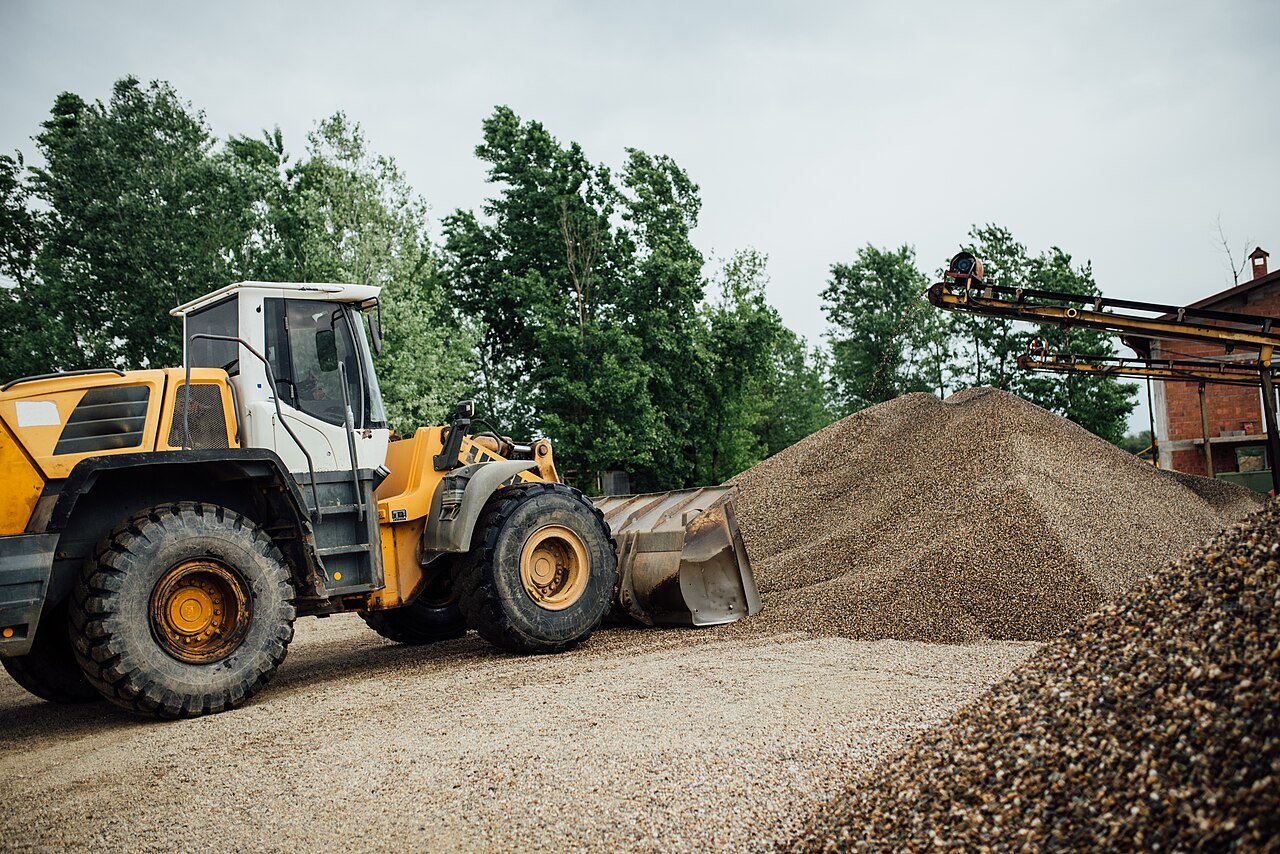
Used construction machinery is one of the smartest ways to stretch a tight equipment budget — but only when the machine behind the photos is as good as it looks. A structured inspection takes an hour or two and can save you from buying a machine that spends more time in the workshop than on site. Work through this checklist in order, and if anything does not feel right, trust that feeling.
1. Start With the Paperwork: History and Documentation
The condition of the documents tells you a lot about the condition of the machine. Before you even open the engine cover, ask for and check:
- Registration and ownership documents. Confirm the seller actually owns the machine and that serial numbers on the documents match the plates on the frame, engine and major components. Mismatched or missing serial numbers are a serious red flag.
- The hour meter vs. the physical condition. A machine with "low hours" but worn-out pedals, a polished seat and a heavily worn bucket tells a different story. Compare the meter reading with the overall wear of the machine — they should agree.
- Service and maintenance records. Regular oil changes, filter changes and documented repairs show the machine was looked after. A machine with a blank history is a gamble, however clean it looks.
- Import and export documentation. If you are buying across borders, clarify who provides the export documents, the original invoice and the machine's age, because many countries restrict used equipment above a certain age or with certain emissions standards.
2. Walk-Around Checks: Structure, Undercarriage and Attachments
Now walk slowly around the machine and look at it the way a mechanic would. Most structural problems are visible if you take the time to look:
- Fresh paint and repairs. Thick, fresh paint over booms, frames or body panels can hide cracks, corrosion or repaired accident damage. Look for paint that does not quite match, overspray on hoses, and grind marks under new paint.
- Welds and cracks. Inspect the boom, arm and frame welds, especially near pin bosses and where the bucket linkage mounts. Cracks that have been welded over are a sign of past structural failure — the same crack will often come back.
- Undercarriage (tracked machines). Check track sag against the manual's spec, the condition of sprocket teeth, track rollers, idlers and track links, and how much the pins and bushings are worn. A worn undercarriage is one of the most expensive replacements on an excavator — often costing more than the machine's value.
- Tires (wheeled machines). Tread depth, sidewall cracks and mismatched tire brands or sizes. Tires are expensive; a loader with two bald tires and two new ones needs a price adjustment.
- Hydraulic cylinders and hoses. Look for leaking rod seals, bent or pitted cylinder rods, flaking chrome and swollen or cracked hoses. Also look for heavy oil residue around fittings and under the machine — and be suspicious if the whole machine has been degreased so thoroughly that you cannot see any oil at all.
- Bucket and attachments. Check the cutting edge, wear plates and tooth holders. Heavy wear here is normal on a working machine, but cracked or bent attachment structures are not.
3. The Running Test: Engine, Hydraulics and Drive
Photos and a walk-around are not enough — the machine must be started and worked. A seller who refuses a test run is a reason to walk away:
- Cold start. Start the machine from cold. Hard starting, knocking, or blue, white or black exhaust smoke all indicate engine problems that get expensive quickly.
- Idle and throttle response. Listen for unusual noises — knocking, squealing, grinding — and check that the engine settles into a steady idle and revs up smoothly.
- Hydraulic functions. Operate every function: boom, arm, bucket, swing, travel. Movement should be smooth and reasonably fast. Slow, jerky or drifting movements point to worn pumps, leaking cylinders or valve problems.
- Drift test. Hold the boom and bucket in position with the engine running, then stop. If the boom sinks noticeably within a minute or two, the cylinders are leaking internally.
- Drive and steering. Move the machine forward and reverse, test the steering and brakes, and shift through the gears. Listen for clunks and check for hesitation when engaging drive.
- Run it until warm. Let the machine work under load and watch the temperature gauges. An engine or hydraulic system that overheats after 20 minutes of work is a problem you will live with every day.
A few red flags deserve special attention: welded-over structural cracks, repainted or missing serial plates, suspiciously low hours for the machine's wear level, missing documents, and any pressure to pay a deposit before you inspect. When something feels off, walk away — or commission a third-party inspection from an independent technician. A few hundred dollars for an expert's report is cheap insurance on a machine that costs tens of thousands.
If you are buying from abroad and cannot visit in person, ask the seller for a live video walk-around, detailed photos of the undercarriage and welds, and a video of the machine working under load. A serious supplier will provide all of it without hesitation.
Looking for an Inspected Used Machine?
Tell us the machine type, year range and your working conditions — we send inspection photos, videos and a quotation within 24 hours.
Chat on WhatsApp Email sales@cn-machinery.com