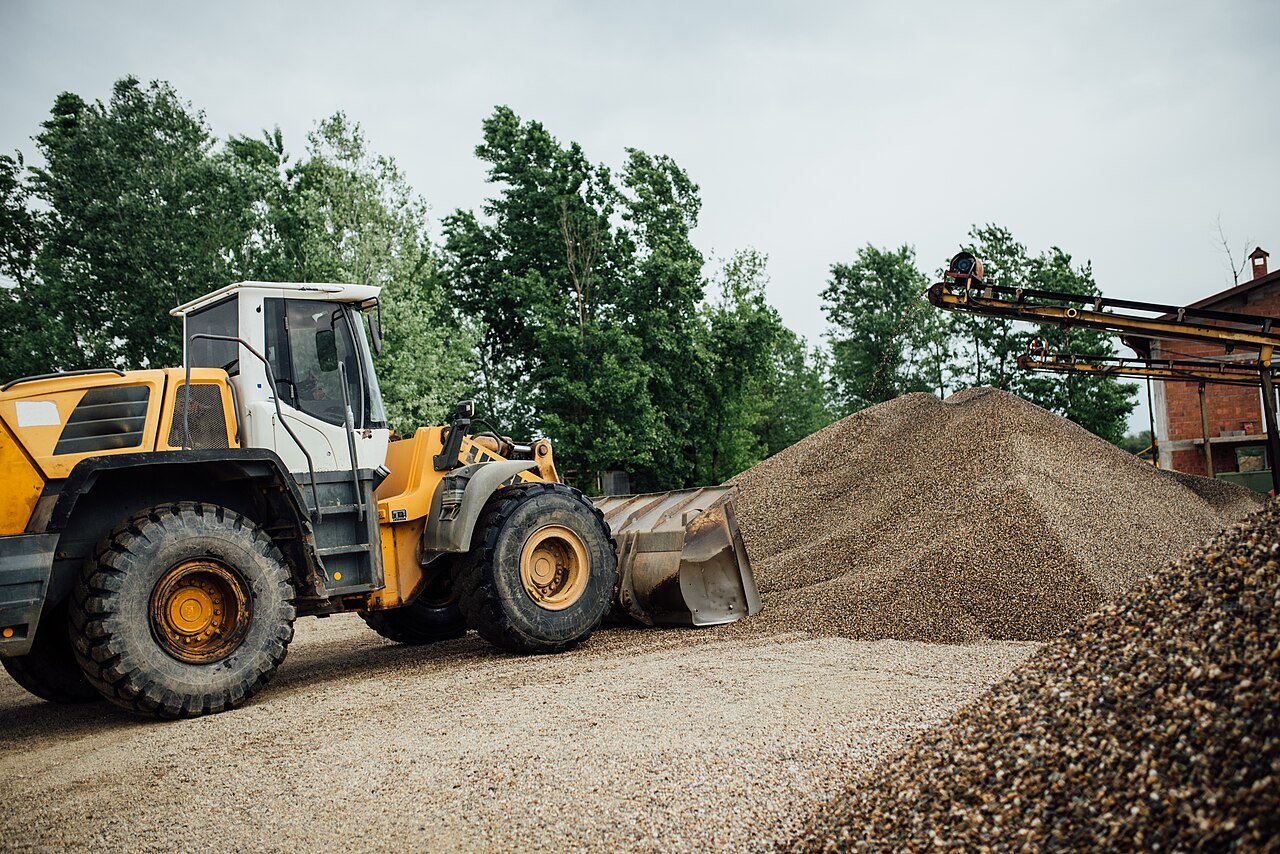
Buying used construction machinery from China can be an excellent way to stretch your equipment budget — but the process involves more than picking a machine and wiring a payment. Understanding each step, from supplier selection to customs clearance, protects your money and helps you avoid costly surprises. This guide walks through the complete import process in plain language.
1. Choose Your Supplier Carefully
Your supplier is the most important decision in the whole process. Look for an export-focused company with a verifiable track record — ask how long they have been exporting construction machinery, request their business registration details, and check whether they can provide genuine machine photos and videos taken recently. A professional exporter will share a current stock list with model, year and working hours for each unit, and will be happy to answer detailed technical questions. Be wary of listings with only stock photos or prices that look too good to be true.
2. Inspect the Machine Before You Pay
Never rely on photos alone. A reliable supplier offers several inspection layers:
- Working hours and service history — hours should be checked against the hour meter and supported by maintenance records where available.
- Visual inspection — a full body check for repaired cracks, repainted areas, oil leaks and undercarriage wear on tracked machines.
- Engine and hydraulic test — cold start, running condition, hydraulic pressure and cylinder functions verified on site.
- Third-party inspection — for larger investments, an independent inspection company (such as SGS or Intertek) can produce a condition report you can rely on before committing funds.
Trustworthy exporters welcome inspection — photos, videos and live video calls are a minimum, and third-party inspection is available on request.
3. Negotiate Price and Payment Terms
Used machinery pricing depends on brand, model, year, hours, working condition and market demand, so compare several quotes rather than focusing on the cheapest one. Clarify exactly what the price includes: inland transport in China, export packing, loading, and export documentation. Typical payment structures use a deposit to reserve the unit, with the balance paid against the shipping documents. For large amounts, consider a Letter of Credit or ensure the supplier is established enough to justify the payment terms. Never pay the full amount to an unverified supplier before the machine is inspected.
4. Shipping: Container vs RoRo
Two main shipping methods are used for used machinery:
- Container (FCL) — smaller machines such as mini excavators and forklifts fit in 20ft or 40ft containers. This offers better protection and flexibility for inland delivery at the destination.
- RoRo (Roll-on/Roll-off) — wheeled machines that can drive on and off the vessel, often a cost-effective option for larger units. The machine is driven onto the ship and secured for the voyage.
Common trade terms are FOB (seller delivers to the named port, buyer arranges ocean freight) and CIF (seller arranges and pays for freight and insurance to the destination port). Choose the term you are most comfortable managing, and confirm who is responsible for loading and lashing.
5. Customs Documents You Will Need
Clear documentation is the difference between a smooth delivery and a port-side headache. For most destinations you will need:
- Commercial invoice — describing the machine, its value and the sale terms.
- Packing list — what is physically in the shipment and how it is packed.
- Bill of lading — the transport contract and proof of shipment.
- Certificate of origin — often required for tariff assessment.
- Your destination country's import permits, age restrictions and emission requirements for used equipment — research these before you buy, because a machine that cannot legally enter your country is a loss.
6. Common Pitfalls to Avoid
- Hidden damage — fresh paint can hide repaired cracks or accident damage; inspect thoroughly.
- Wrong specification — confirm the exact model, year, engine type and attachments match what you need and what your documents state.
- Unverified hours — an unserviceable hour meter or missing maintenance records should raise a red flag.
- Payment risk — sending full payment before inspection is the most common way buyers lose money.
- Underestimating port costs — import duties, taxes and local handling can add significantly to the landed cost; budget for them.
7. The Bottom Line
Importing used construction machinery from China is very manageable when you follow a clear process: verify the supplier, inspect the unit, agree clear terms, choose the right shipping method and prepare your documents. If you would like current stock information for used excavators, forklifts, wheel loaders or dump trucks — with photos, videos and inspection reports before you pay — our team is happy to help.
Need Used Machinery or Spare Parts?
Send us the model and year you need — we reply with current stock, photos and a quotation within 24 hours.
Chat on WhatsApp Email sales@cn-machinery.com