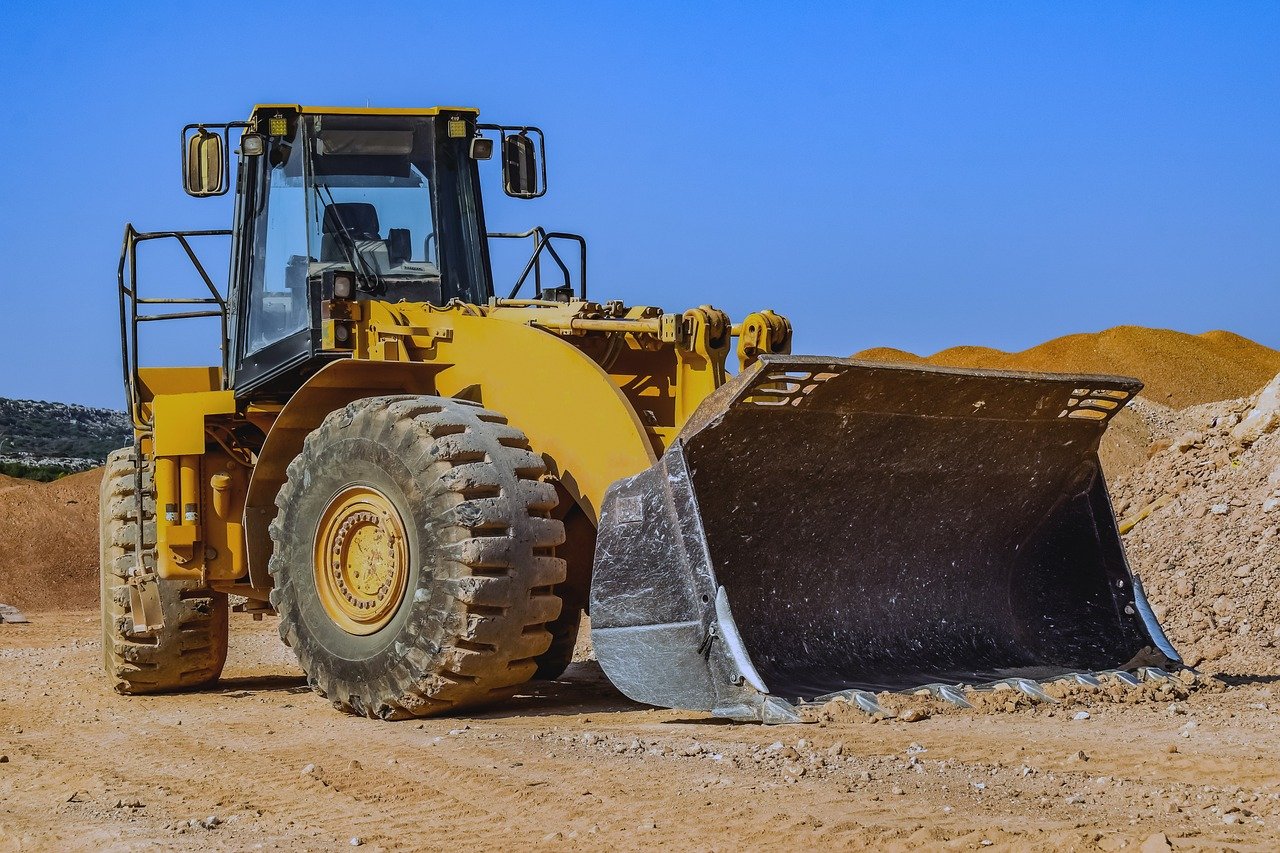
The hydraulic system is the muscle of a wheel loader. Lift arms, bucket tilt, steering and braking on many models all run on hydraulic oil at high pressure, so when something goes wrong, the machine loses productivity fast. The good news is that hydraulic faults follow predictable patterns. If you can describe the symptom accurately, you can usually narrow the cause down to a handful of components — and most of them are replaceable parts rather than complete machine failures.
1. Slow or Weak Lift and Bucket Action
The most common complaint on any loader is that lifting has become slow or the bucket cannot break out material the way it used to. Work through these checks in order:
- Oil level and condition. Low oil causes weak, jerky operation and allows air into the system. Check the sight glass or dipstick on level ground with the loader warmed up, and top up with the grade specified in the manual. Milky or foamy oil means water or air contamination — that is a problem to fix, not just top up.
- Filters. A clogged hydraulic return filter or suction strainer restricts flow and starves the pump. Hydraulic filters are inexpensive and quick to change; when performance fades gradually, dirty filters are one of the first suspects.
- Relief valve setting. Every loader has relief valves that protect the system at a set pressure. If the valve sticks open or drifts out of adjustment, the system loses pressure and the loader feels weak even though the pump is fine.
- The main pump. Worn pistons or a scored swash plate inside the pump reduce flow and pressure together. A loader that is weak in every function at once — lift, tilt and steering — usually points to the pump, since it feeds the whole system.
- Internal cylinder leakage. Worn piston seals let oil pass from one side of the cylinder to the other. The loader lifts slowly, and the bucket or boom drifts down when the machine is parked. Cylinders with internal leakage need new seal kits or, if the barrel and rod are worn, replacement.
2. Noisy Hydraulics and Overheating
A loader hydraulic system should run with a steady, subdued hum. Whining, knocking or groaning under load, together with hot oil, points to a few familiar causes:
- Cavitation. A whine that gets worse as the engine revs up usually means the pump is not getting enough oil — a clogged suction strainer, a collapsed suction hose, or oil that is too cold and thick. Cavitation damages pumps quickly, so address it before it scores the pump internals.
- Air in the system. Foaming oil, jerky cylinder movement and a spongy feel in the controls all indicate air. Look for leaks on the suction side of the pump, loose fittings and a low oil level.
- Overheating. If the oil temperature climbs well above normal operating range, check the hydraulic oil cooler for blocked fins and the cooling fan, then check oil level and viscosity. An overheated system thins the oil, accelerates seal wear and shortens pump life.
3. Leaking Cylinders and Drift
Hydraulic cylinders on a loader work hard — they lift, tilt and dump loads all day, often in dust and mud. External leaks are easy to spot: oil running down the barrel, wet rods, puddles under the machine. Drift is subtler: the lift arms sink slowly while the loader sits idle, or the bucket curls back on its own.
External leaks usually come from worn rod seals and wipers, and the fix is a seal kit — a fraction of the cost of a new cylinder. Internal leaks come from worn piston seals and scored bores, and they show up as drift and weak breakout force. When a cylinder has internal damage or a bent, pitted rod, replacement is more reliable than repeated resealing. Matching the correct bore, stroke and mounting style to your machine model matters — a mismatched cylinder will not perform or fit properly.
4. What to Keep in Stock
For a loader fleet, a short parts list covers most hydraulic downtime:
- Hydraulic return and suction filters — the cheapest insurance in the system.
- Seal kits for the most common lift, tilt and steering cylinders on your machines.
- Relief valves and control valve seals for pressure and spool problems.
- A spare main pump or pump repair kit for older machines, where pump wear is the classic failure.
When buying hydraulic parts for wheel loaders — Caterpillar, Komatsu, Volvo, XCMG, SANY, LiuGong or other brands — always order by part number and machine serial number. Quality aftermarket parts are built to match the original specification, and a reliable supplier will confirm fitment before shipping.
Need Hydraulic Parts for Your Loader?
Send your machine model and the part numbers — we confirm fitment and quote within 24 hours.
Chat on WhatsApp Email sales@cn-machinery.com