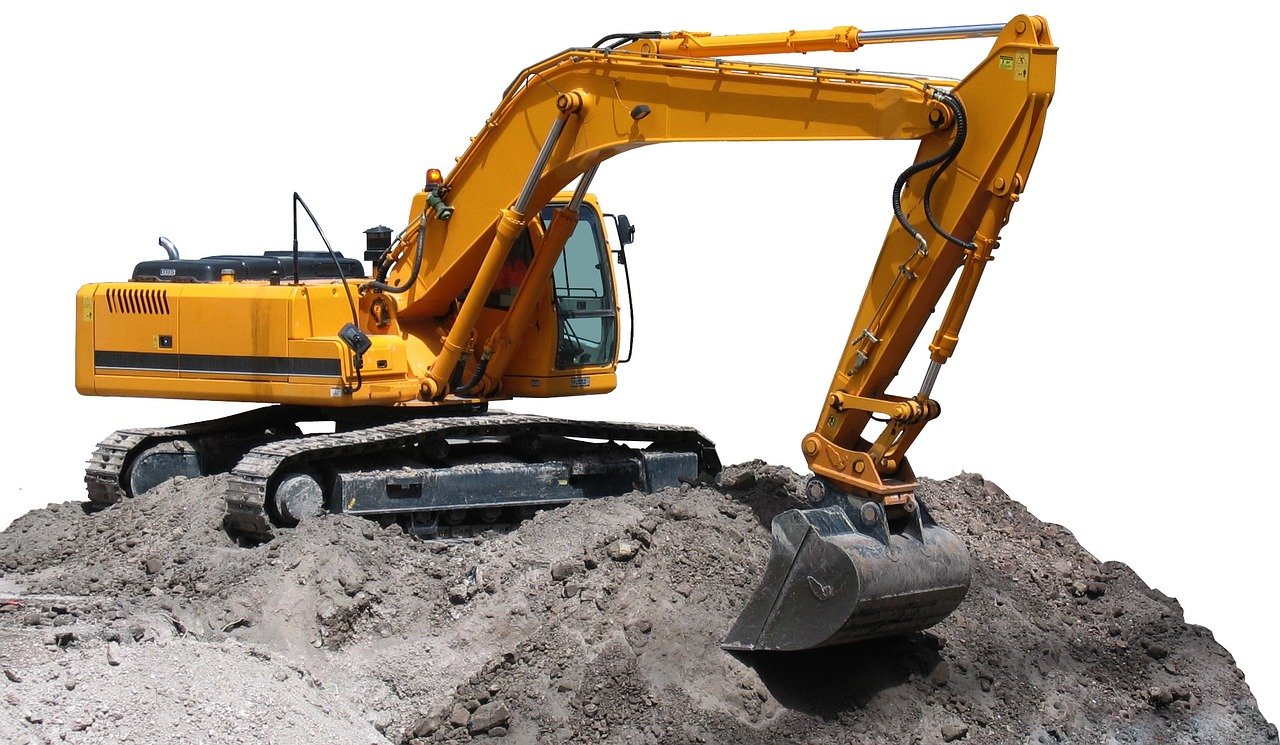
Choosing the wrong tooth profile costs you digging speed and fuel; changing teeth too late costs you adapters and downtime. This guide covers the four standard bucket tooth types used on Cat, Komatsu, Hitachi, Doosan, Volvo and Hyundai excavators, what each profile is designed for, and the wear rules that tell you exactly when to swap them.
1. The Four Main Excavator Bucket Teeth Types
Bucket teeth are classified by their profile, and the profile is matched to the ground condition. The table below summarizes the standard lineup you will see on most excavator buckets:
| Tooth Type | Profile | Best For | Typical Price (aftermarket) |
|---|---|---|---|
| Standard / general purpose | Wide, blunt tip | Soil, clay, mixed earth, general digging | $8–20 per tooth (20 t class) |
| Rock teeth | Heavy, short, thick tip | Rock, limestone, blasted material, severe impact | $15–35 per tooth |
| Tiger / sharp / penetration teeth | Narrow, pointed, long | Hard compacted ground, frost, penetrating tough material | $12–30 per tooth |
| Twin-tip / abrasive teeth | Two wear tips on one base | Abrasive sand, gravel, coal — extends life in low-impact wear | $18–45 per tooth |
Most buckets on mid-size excavators (Cat 320D, Komatsu PC200, Hitachi ZX200, Doosan DX220) carry 4–6 teeth plus 2 corner teeth. Teeth are held by pins (vertical or horizontal) and rubber retainers or clip systems, and they fit on an adapter nose that is welded or bolted to the bucket. That adapter nose is the same across a brand's tooth range — which is why you can switch profiles without re-welding. For the full buying checklist, see our bucket teeth buying guide, and for the material science behind each type, see manganese vs alloy steel.
2. When to Replace Excavator Bucket Teeth
There is no fixed hour interval for bucket teeth — wear depends on material, tooth type and operator habit. Use these measurable rules instead:
- Wear point rule: replace a tooth when the working point has worn to roughly 50% of its original length, or when the tip is visibly flattened to a "pencil" or "chisel" shape. A flat tooth digs slower and burns 10–20% more fuel.
- Adapter protection rule: if you can see the adapter nose wearing, or the tooth no longer covers the nose completely, replace immediately — the adapter is 3–5× the price of the tooth.
- Cracking rule: any crack across the tooth base or through the pin hole means replace now; a broken tooth in the ground is a retrieval job.
- Rotation rule: on twin-tip and reversible teeth, rotate the tooth once when the first tip is worn, then replace when the second tip is gone — this roughly doubles tooth life.
On a 20-ton excavator digging abrasive ground, expect 150–400 operating hours per standard tooth; rock teeth in blasted rock can last 300–600 hours; in soft soil a standard tooth can go 600+ hours. Track your own numbers per site and you will know the replacement rhythm for your operation. Worn teeth also stress the bucket pins and linkage, so check those at the same time — and if you are inspecting a used machine, worn teeth are a normal wear item, not a defect: our used machinery inspection checklist explains what actually matters.
3. Buying the Right Teeth: Fitment, Quality and Where to Buy
To order teeth that actually fit, you need four things: the machine model, the bucket type, the adapter system (brand and size — e.g. Cat J-series, Komatsu K-series, or universal/ISO), and the tooth type and quantity. A common mistake is ordering by tooth size alone: two visually identical teeth can have different pin systems and never lock in place.
- OEM from the dealer — guaranteed fit, but $30–90 per tooth on a 20-ton machine and slow shipping.
- Aftermarket from a real Chinese manufacturer — same manganese steel grades (13Mn / 18Mn / 20Mn work-hardening steel) at roughly half to a third of dealer price. Quality check: material certificate, hardness around HB 190–230 as cast with work-hardening to HRC 40+ in service, and clean casting with no sand holes.
- Used teeth — only worth it if you can measure the remaining wear point; generally not recommended for working machines.
When you buy, buy a complete set — teeth, pins and retainers — plus one or two spares per size, so a single broken tooth does not stop the machine. Our bucket teeth catalog carries standard, rock, tiger and twin-tip teeth for Cat, Komatsu, Hitachi, Doosan, Volvo and Hyundai machines with pins and retainers included, and we can match by adapter system or OEM part number.
FAQ
Q: How many teeth does an excavator bucket have?
A: A typical 20-ton excavator bucket (Cat 320D, Komatsu PC200 class) has 4–6 center teeth plus 2 corner teeth; larger buckets take more.
Q: What are the different types of excavator bucket teeth?
A: The four main types are standard/general purpose, rock, tiger (sharp penetration) and twin-tip (abrasion) teeth, chosen by ground condition and impact level.
Q: How often should bucket teeth be replaced?
A: There is no fixed interval — replace when the wear point drops to about half its original length, or 150–600 operating hours depending on material and tooth type.
Q: Does CN Machinery sell bucket teeth sets?
A: Yes — standard, rock, tiger and twin-tip teeth with pins and retainers for Cat, Komatsu, Hitachi, Doosan, Volvo and Hyundai excavators, matched by adapter system or part number.
Need Bucket Teeth? Get a Set Quote
Send us your machine model and bucket photos or the old tooth/adapter numbers — we will confirm the adapter system and quote a full set with pins and retainers.
Chat on WhatsApp Email sales@cn-machinery.com